
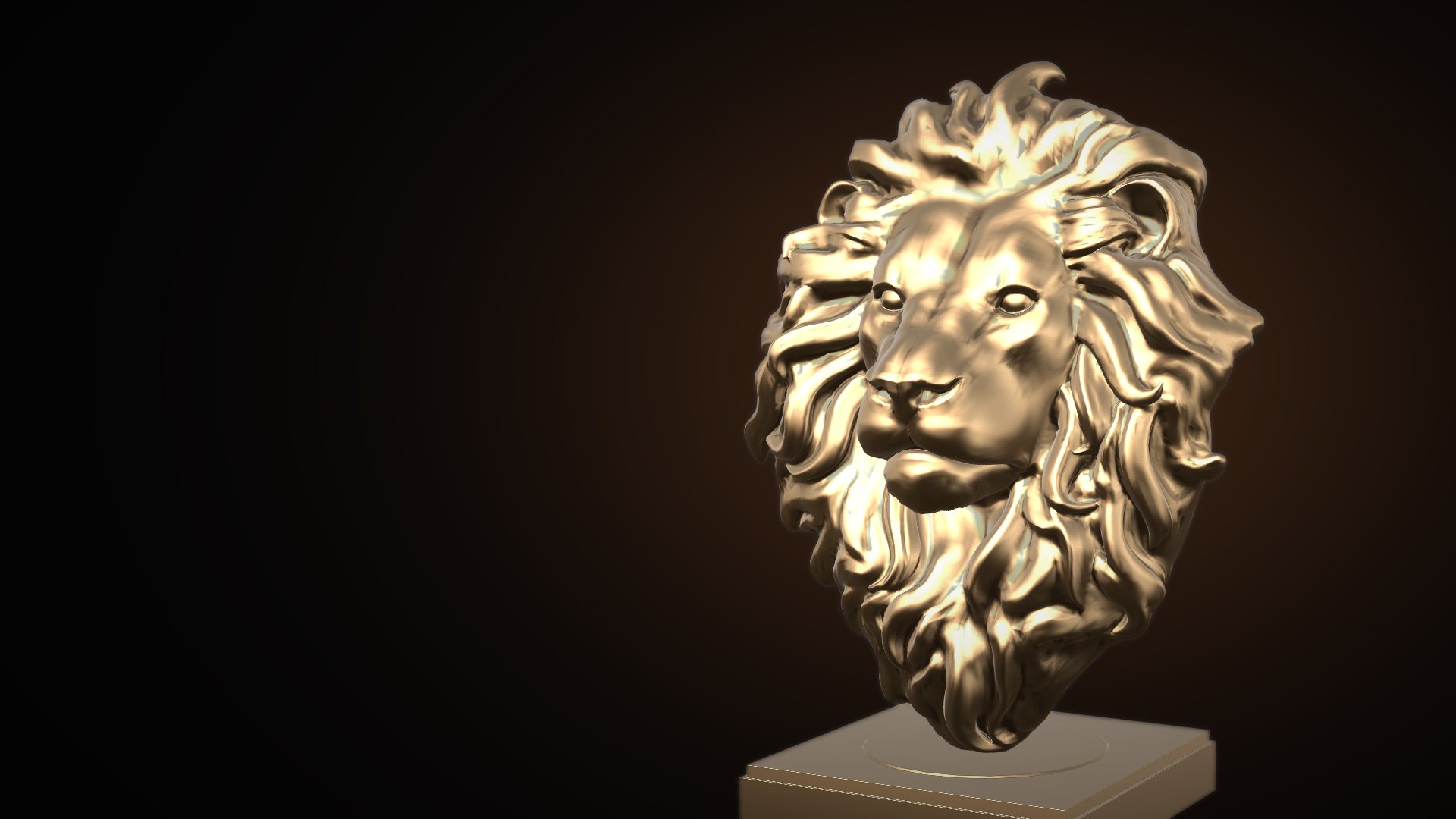
Blender add-on
The SculptForge Bridge add-on for Blender 4.2+ sends selected objects to SculptForge and back, with UVs, colours, mask and face sets.
SculptForge for studios
SculptForge is free and open source for any number of artists: no seats, no licence server, no accounts and no telemetry. It runs on Linux, Windows and macOS, works offline, and talks to Blender, Maya, Unreal and ZBrush.
$0for SculptForge itself
One membership covers Insider access for all 5.
$0for SculptForge itself
One membership covers Insider access for all 10.
$0for SculptForge itself
Two memberships cover Insider access for all 20.
The software is free for every artist, whether you have 5 or 500. A Studio membership is optional: it funds development and gets your team early builds and priority on pipeline bugs.
| Team | ZBrush, Teams named seats* ($495–$839 per seat) |
SculptForge software | SculptForge with Studio membership |
|---|---|---|---|
| 5 artists | $2,475–$4,195 | $0 | $1,800 (1 membership) |
| 10 artists | $4,950–$8,390 | $0 | $1,800 (1 membership) |
| 20 artists | $9,900–$16,780 | $0 | $3,600 (2 memberships) |
* Approximate, from reseller listings in November 2026 (for example ZBrush Teams annual renewals listed at $495 to $839 per seat); Maxon's buy page has current prices and quotes. An individual ZBrush subscription is about $480 a year, and floating seats cost extra. Prices vary by region, term and reseller.
A Studio membership is $150 a month ($1,800 a year, $15 per artist) and includes Insider access for up to 10 artists. SculptForge itself costs $0 with or without one.
Pipeline
The SculptForge Bridge add-on for Blender 4.2+ sends selected objects to SculptForge and back, with UVs, colours, mask and face sets.
A SculptForge shelf for Maya 2022+: send meshes, sculpt, send them back. Each object keeps its transform, parent and shading groups, in one undo step. Early: reports from Maya users are welcome.
Reads and writes .GoZ and sends to and receives from a running ZBrush. A small ZBrush plug-in turns .ZTL files into Parts SculptForge opens directly.
Send to Unreal pushes a sculpt into a running Unreal Editor 5.x: a static mesh with LODs, or a skeletal mesh with a morph target per layer. Sending again updates the asset in place.
OpenUSD (.usda, .usdz), FBX (reads any version, writes 7.4 binary), glTF / GLB, OBJ, PLY, STL and .GoZ. Exports are checked with OpenUSD's usdchecker and the Khronos glTF validator.
Native builds for all three, including .rpm for Fedora, RHEL, Rocky and Alma, .deb, AppImage, ARM64, a Windows installer and a universal macOS app.
CY2026 and CY2027 builds (Rocky Linux 8 and 9, GCC 14, C++20, Python 3.13), tested in CI, plus a Rez package. Dependencies are linked statically, so nothing conflicts with your other tools.
An import sculptforge Python module and sculptforge-cli run every editor
operation headless: imports, remeshing, LODs, exports and offscreen turntable renders.
No sign-in, no licence server and nothing phones home. It works fully offline; AI features are optional and talk only to the service you choose. Studio brush libraries can load from a read-only share.
Licensing in plain terms: SculptForge is GPL-3.0-or-later. Use it on any number of machines, commercially; your artwork is yours; and you can modify it in-house without publishing your changes. The studio guide covers deployment, Rez, brush libraries and the Python API.
Studio membership
$150/ month
Custom features and integration work are quoted separately: write to hello@sculptforge.app. Payments go through Stripe; cancel anytime. Not a tax-deductible donation. All memberships.